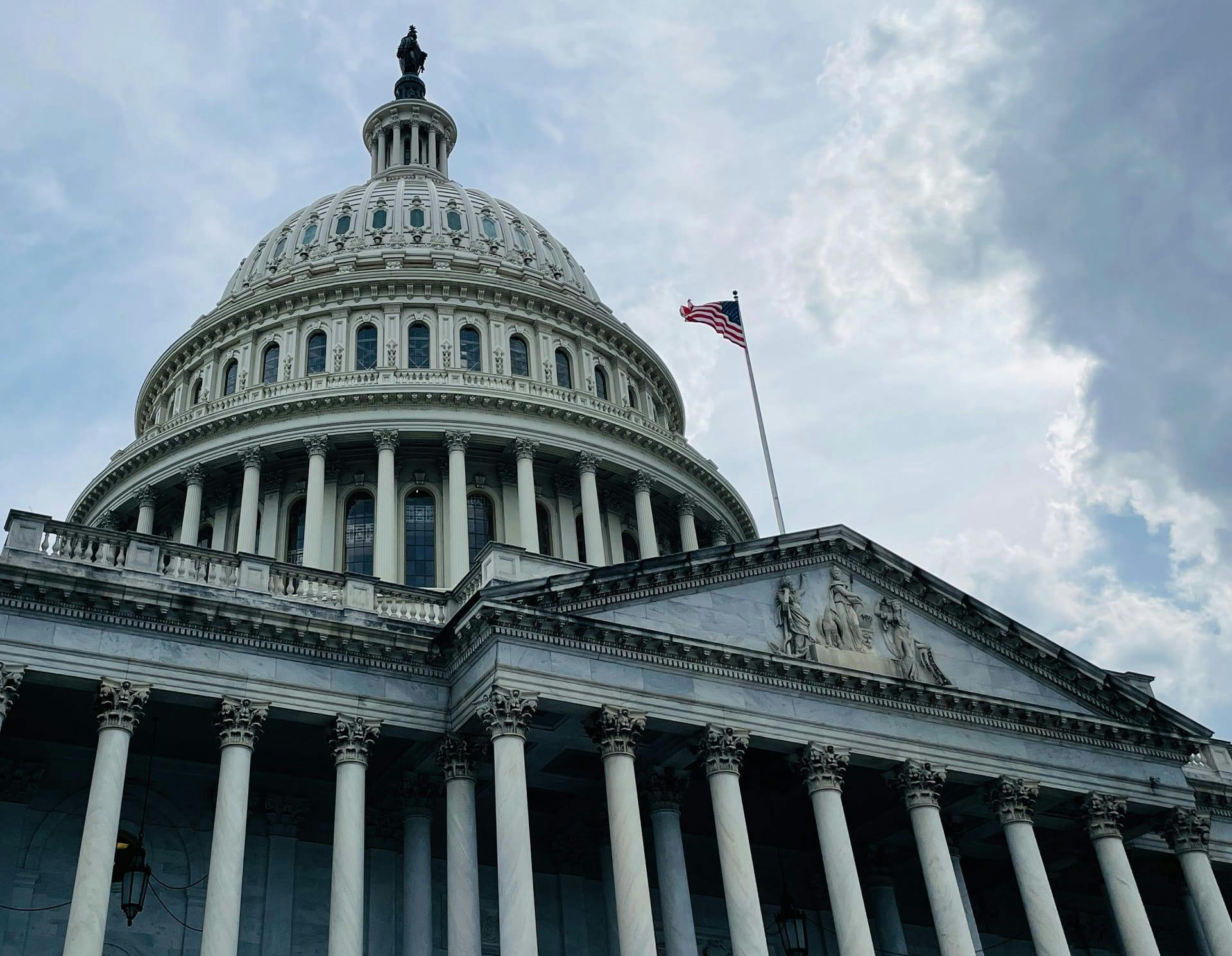
How Federal Criminal Cases Differ From State Cases

Federal crimes are prosecuted by the U.S. Attorney's Office rather than the Hillsborough County State Attorney's Office, and they are investigated by federal agencies such as the FBI, DEA, ATF, or Homeland Security Investigations, often after a longer period of investigation than a typical state arrest.

Federal cases in the Tampa area are heard at the Sam M. Gibbons United States Courthouse, part of the Tampa Division of the Middle District of Florida, which also covers Hernando, Manatee, Pasco, Pinellas, Polk, Sarasota, and Hardee counties.

Common categories of federal criminal charges include:

  • Drug trafficking and conspiracy offenses under the federal controlled substances law
  • Federal firearms offenses, including those prosecuted under federal firearms statutes rather than Florida's weapons chapter
  • White-collar offenses such as wire fraud, mail fraud, and health care fraud
  • Federal offenses involving interstate activity, such as certain internet-based crimes
  • Immigration-related federal offenses

Common Defense Strategies in Federal Cases

  • Challenging the investigation: Federal cases often involve wiretaps, search warrants, or informants, and the legality of the evidence-gathering methods can be contested.
  • Disputing the guideline calculation: Arguing for a lower offense level or criminal history category, or for a downward variance from the guideline range.
  • Negotiating with the U.S. Attorney's Office: Federal cases frequently involve plea negotiations that can affect both the charges and the applicable guideline range.
  • Contesting the sufficiency of the evidence: As in any criminal case, the government must prove its case beyond a reasonable doubt, and federal cases are no exception.

lawyer scale

Federal Sentencing Considerations

Federal sentencing follows the United States Sentencing Guidelines, a framework maintained by the U.S. Sentencing Commission that calculates a recommended sentencing range based on the offense and the defendant's criminal history.

While the guidelines are advisory rather than mandatory, following the Supreme Court's decision in United States v. Booker, federal judges are still required to calculate and consider them. Many federal offenses also carry statutory mandatory minimum sentences that a judge cannot go below, regardless of the guideline calculation.

Because these calculations involve specific offense characteristics, criminal history categories, and possible sentencing enhancements, the actual exposure in a federal case depends entirely on the facts and charges involved.

Banner media

What Happens After a Federal Arrest or Indictment

  1. Initial appearance before a federal magistrate judge, where bond is addressed.
  2. Arraignment, where the charges from a complaint, information, or grand jury indictment are read.
  3. Discovery, which in federal court can be extensive, particularly in complex investigations.
  4. Pretrial motions, including motions to suppress evidence or dismiss charges.
  5. Resolution, through a negotiated plea agreement or a trial before a federal judge and jury.

Steps to Take If You're Under Federal Investigation or Facing Federal Charges

  • Do not speak with federal agents without an attorney present, even informally.
  • Do not destroy or alter any documents, devices, or records related to the matter.
  • Preserve any communications or records that may be relevant to your defense.
  • Contact an attorney as early as possible, ideally before charges are filed, since the investigation stage often shapes what charges are ultimately brought.
Paul A. Meissner, Jr.

Why Choose the Federal Defense Attorneys at Carlson Hayslett, P.A., in Tampa, FL?

If you are facing federal criminal charges, you could be at risk of serious penalties, but experienced legal representation can help protect your rights and future. Our federal criminal defense attorneys in Tampa understand the federal criminal process and know how to evaluate the charges, examine the evidence, and develop a defense strategy tailored to your circumstances.

With a legal presence in the Tampa Bay area for more than 55 years, Carlson Hayslett, P.A., brings a longstanding commitment to serving our community. Our attorneys provide each client with personal attention, practical guidance, and strong advocacy throughout their case. Our firm is distinguished by:

  • Deep roots in the Tampa Bay and Clearwater legal communities
  • Extensive familiarity with local courts and the judges who preside over them
  • Leadership within the legal community, including involvement in the nomination of judges our clients now appear before
  • Recognition from respected legal organizations such as Super Lawyers, Florida Trial Lawyers, Martindale-Hubbell, and the Clearwater Bar Association

Let us advocate for you when you are facing federal criminal charges. To schedule a free consultation, call 727-219-2272 or complete the form on this website today.

Federal Criminal Defense FAQs

How is a federal case different from a state case in Tampa?

Are federal sentencing guidelines mandatory?

Can a case start in state court and become a federal case?

What should I do if federal agents want to speak with me?

Do federal cases usually go to trial?

How is a federal case different from a state case in Tampa?

Federal cases are prosecuted by the U.S. Attorney's Office in the Middle District of Florida rather than the Hillsborough County State Attorney's Office, follow federal rules of criminal procedure, and are sentenced under the U.S. Sentencing Guidelines rather than Florida's sentencing scoresheet system.

Are federal sentencing guidelines mandatory?

No. Following United States v. Booker, the guidelines are advisory, but federal judges must still calculate and consider them, and many offenses carry separate statutory mandatory minimums that remain binding.

Can a case start in state court and become a federal case?

Yes, in some circumstances, particularly when an investigation reveals conduct that crosses state lines or falls under federal jurisdiction. Which system a case proceeds in depends on the specific facts and which agency is investigating.

What should I do if federal agents want to speak with me?

Generally, it is advisable to state that you want an attorney present before answering any questions, since statements made to federal agents can be used later, even in an informal setting.

Do federal cases usually go to trial?

Most federal cases resolve through a negotiated plea agreement rather than trial, though this varies by case and depends on the strength of the evidence and the client's specific circumstances.

Disclaimer

This page is provided for general informational purposes only and does not constitute legal advice. Every federal criminal case depends on its own specific facts, and federal criminal law and procedure are nuanced. Nothing on this page should be treated as a substitute for a case-specific consultation with a licensed attorney.

Free Case Evaluation Contact us today to learn how we can help you navigate your legal concerns.

This field is required.
Get Started
Contact us media
Accessibility: If you are vision-impaired or have some other impairment covered by the Americans with Disabilities Act or a similar law, and you wish to discuss potential accommodations related to using this website, please contact our Accessibility Manager at (727) 847-2737.
Contact Us